Frequently asked questions
1.) Why is sugarcane paper considered an environmentally valuable product?
2.) What is the environmental benefit of your products?
Our paper is made from alternative fibers and is completely TREE-FREE, meaning no wood is used as a raw material. This helps diversify fiber sourcing and reduces dependency on forest-based resources, which are under increasing environmental pressure globally.
3.) How does sugarcane paper compare to recycled paper?
Recycling is an essential part of a circular economy, and we strongly support it. Sugarcane paper complements recycled paper by providing fresh, virgin fibers from a non-wood source.
During the recycling process, fibers shorten over time and require reinforcement with virgin fibers to maintain paper quality. Sugarcane fibers can serve as such a renewable input. In addition, sugarcane paper can be produced with fewer chemical processing steps compared to some recycled grades, depending on the application.
4.) Can sugarcane paper be recycled?
Yes. Sugarcane paper can be recycled within existing paper recycling systems, just like conventional virgin fiber paper. It can typically be recycled multiple times, contributing valuable fresh fibers to maintain the overall quality of recycled paper streams.
Its recyclability has been independently tested by PTS (Papiertechnische Stiftung) in accordance with the CEPI recyclability method and the 4evergreen evaluation protocol.
5.) Why source sugarcane paper from Colombia?
Colombia offers ideal conditions for sugarcane cultivation and established processing infrastructure. By sourcing from this region, we support local value creation and provide an alternative supply chain to traditional wood-based paper. From a logistics perspective, global paper markets are already highly international. Transport distances for paper products or pulp are common, and sourcing decisions should consider both environmental and economic factors across the full supply chain.
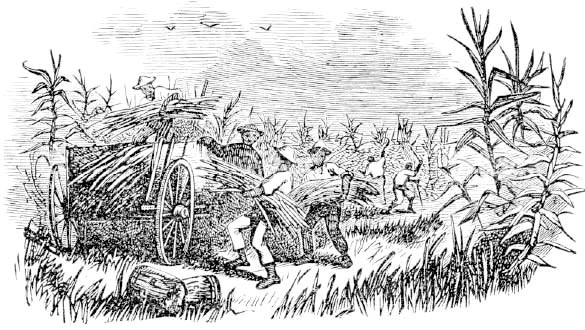
Sugarcane paper is made from bagasse, a by-product of sugar production. Instead of being discarded or burned, this agricultural residue is upcycled into high-quality paper and paperboard. This approach reduces waste and provides an alternative fiber source without additional pressure on forest resources.
6.) Does sugarcane cultivation contribute to deforestation?
The sugarcane used for our paper is sourced from existing agricultural land. It is a by-product of sugar production, meaning no additional land is required speci-fically for paper manufacturing.
We are aware of global deforestation challenges and support responsible land use and initiatives that promote biodiversity and ecosystem protection.
7.) Why does CALIMA® offer a white variant as well?
CALIMA® WHITE PAPER is produced to meet market demand. The pulp is processed using a chlorine-controlled bleaching method (ECF – Elemental Chlorine Free), which is widely used in the paper industry and ensures consistent brightness while meeting environmental standards.
8.) What is the difference between “tree-free” and “wood-free”?
“Wood-free” paper is typically made from chemically processed wood pulp where lignin has been removed. Despite the name, it still originates from trees.
“Tree-free,” by contrast, means that no fibers from trees are used at all. Instead, alternative raw materials such as agricultural residues (e.g. sugarcane bagasse) are used.